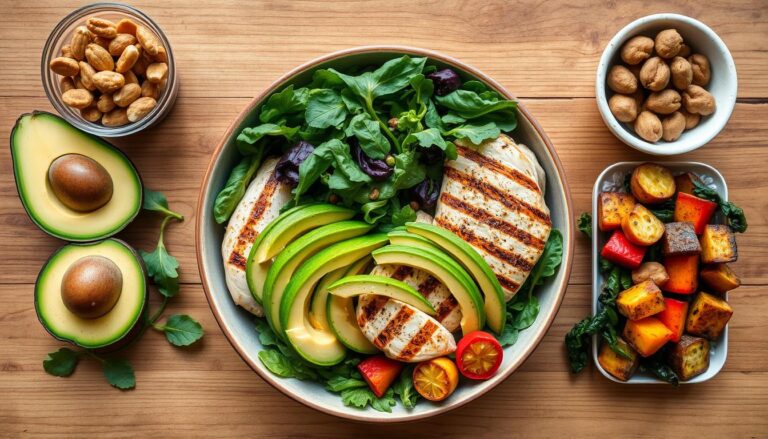
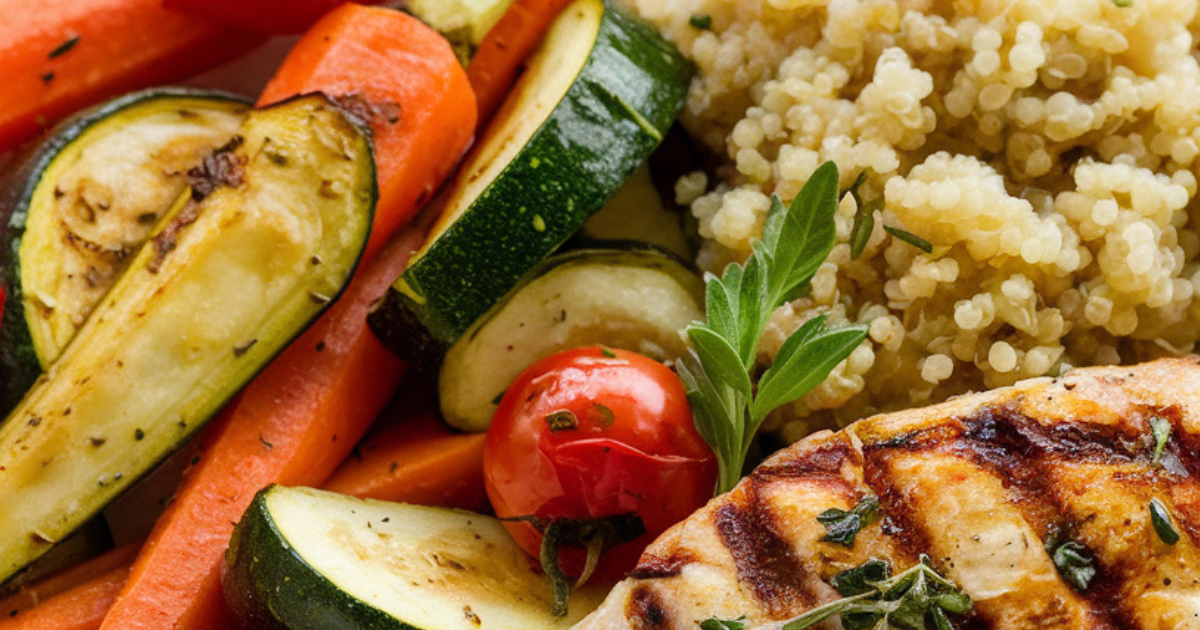
Weight-Loss Meal Plans: A Practical, Sustainable Guide That Actually Works
Weight loss is one of the most researched topics in nutrition — and one of the most overcomplicated. The internet is full of extreme protocols, conflicting advice, and meal plans so restrictive that nobody could follow them for more than a week. The result is a cycle of short-term effort and long-term frustration that most people know all too well.
This guide cuts through that noise. It’s built around a simple, well-supported principle: sustainable weight loss comes from eating nutritious, satisfying food in appropriate amounts — not from starving yourself, cutting out entire food groups, or following a plan so complicated it requires a spreadsheet.
I’ll explain the science behind why certain approaches work, give you a real 7-day meal plan built around recipes from this site, and share practical strategies for making healthy eating stick long-term. Everything here is evidence-based and honest — including the important caveat that weight loss is individual, and anyone with specific health conditions should always consult a doctor or registered dietitian before making significant dietary changes.
The Science of Weight Loss — What Actually Matters
At its most fundamental level, weight loss occurs when you consistently use more energy than you consume — creating what’s called a calorie deficit. This is the bedrock principle behind every effective weight-loss approach, regardless of what name it goes by.
But calorie deficit alone doesn’t tell the whole story. Two people can eat the same number of calories and have completely different experiences — different hunger levels, different energy, different rates of fat loss — depending on what those calories are made of.
Here’s why food quality matters alongside quantity:
Protein is the most important macronutrient for weight loss. According to research published by Harvard T.H. Chan School of Public Health, protein is far more satiating than carbohydrates or fat — meaning it keeps you full for longer, which naturally reduces calorie intake. It also has the highest thermic effect of any macronutrient (your body burns more calories digesting protein than it does digesting fat or carbs), and it preserves muscle mass during weight loss, which keeps your metabolism higher.
Fibre dramatically improves satiety. High-fibre foods slow digestion and keep you feeling fuller for longer. The NHS recommends 30g of fibre per day — most people eat roughly half that. Closing that gap is one of the most effective things you can do for weight management, because it reduces hunger without reducing food volume.
Processed foods undermine weight loss. Ultra-processed foods are engineered to override your body’s natural fullness signals — they’re designed to make you eat more than you need. A 2019 study published in Cell Metabolism found that people given ultra-processed diets ate significantly more calories per day than those given unprocessed diets, even when both groups had equal access to food and were told to eat as much as they wanted.
Consistency beats perfection. The best weight-loss approach is one you can actually sustain. A moderately reduced-calorie diet of whole, satisfying foods followed for 6 months beats an extreme diet followed for 3 weeks every time.
How Many Calories Do You Need?
There’s no universal answer — calorie needs depend on age, sex, height, weight, and activity level. But as a practical starting point:
To estimate your maintenance calories (TDEE — Total Daily Energy Expenditure): Use an online TDEE calculator, or use this rough guide:
- Sedentary (desk job, little exercise): body weight in lbs × 14–15
- Moderately active (light exercise 3x/week): body weight in lbs × 15–16
- Active (exercise 5+ days/week): body weight in lbs × 16–18
For weight loss: A deficit of 300–500 calories per day below your maintenance level is considered moderate and sustainable, producing approximately 0.3–0.5kg (0.5–1 lb) of fat loss per week. Larger deficits produce faster short-term results but are harder to sustain and increase the risk of muscle loss.
A practical rule: If you’re not sure, aim for 1,500–1,800 calories per day for most women and 1,800–2,200 for most men, adjusting based on how you feel and your rate of progress. These are starting points, not prescriptions.
The Best Foods for Weight Loss
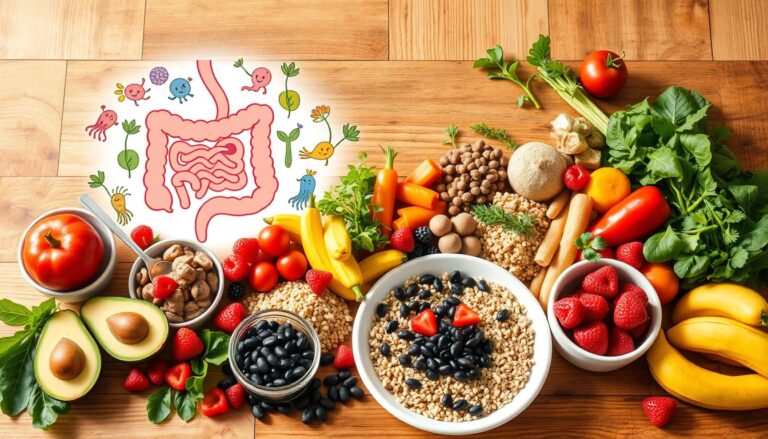
The most effective weight-loss diets share a common pattern: they’re built around whole, minimally processed foods that are naturally high in protein, fibre, and water content — all of which increase satiety relative to their calorie count.
High-Protein Foods — The Foundation
- Chicken and turkey breast
- Fish and seafood — salmon, cod, tuna, prawns
- Eggs
- Greek yogurt (plain, full-fat)
- Legumes — lentils, chickpeas, black beans, kidney beans
- Tofu and tempeh
High-Fibre, Low-Calorie Vegetables
- Leafy greens — spinach, rocket, kale (virtually no calories, enormous volume)
- Broccoli and cauliflower
- Brussels sprouts
- Courgette/zucchini
- Cucumber
- Bell peppers
- Tomatoes
Healthy Fats — Filling and Nutritious
- Avocado
- Extra virgin olive oil
- Walnuts, almonds, and other nuts (in moderation — calorie-dense)
- Chia seeds and flaxseed
Quality Carbohydrates — Slow-Release Energy
- Quinoa
- Brown rice
- Whole wheat pasta
- Sweet potato
- Oats
Foods to Minimise
- Ultra-processed foods — crisps, biscuits, ready meals
- Sugary drinks — fizzy drinks, juice, flavoured coffees
- Refined carbohydrates — white bread, white pasta, white rice
- Alcohol — high in calories, stimulates appetite, reduces inhibition around food choices
7-Day Weight-Loss Meal Plan
This plan targets approximately 1,500–1,700 calories per day — a moderate deficit suitable for most people. Every meal links directly to a full recipe on this site. The plan is high in protein (targeting 100g+ per day), high in fibre, and built around genuinely satisfying food.
Day 1 — ~1,550 calories
Breakfast: Greek Yogurt Parfait (~380 cal) Plain full-fat Greek yogurt with fresh berries, a small drizzle of honey, and a tablespoon of chia seeds. Around 20g of protein before 9 am. Full recipe: Greek Yogurt Parfait →
Lunch: Salmon Salad with Avocado and Walnuts (~520 cal) Pan-seared salmon over rocket, cherry tomatoes, cucumber, avocado, and toasted walnuts with lemon vinaigrette. 38g of protein, 7g of fibre, genuinely filling. Full recipe: Salmon Salad with Avocado and Walnuts →
Dinner: Lemon Garlic Shrimp with Zoodles (~320 cal) Prawns in a lemon garlic sauce over courgette noodles — high protein, very low calorie, under 20 minutes. Full recipe: Lemon Garlic Shrimp with Zoodles →
Snack: 1 apple + 1 hard-boiled egg (~160 cal)
Day 2 — ~1,600 calories
Breakfast: Berry Green Smoothie (~270 cal) Spinach, mixed berries, banana, chia seeds, and almond milk. Quick, filling, and genuinely nutritious. Full recipe: Berry Green Smoothie →
Lunch: Avocado Chicken Wraps (~480 cal) Shredded chicken, avocado, spinach, and grated carrot in a whole-grain wrap. High protein and satisfying — the combination of chicken and avocado keeps hunger at bay for hours. Full recipe: Avocado Chicken Wraps →
Dinner: Turmeric Chicken Bowl (~520 cal) Turmeric-marinated chicken breast over jasmine rice with fresh vegetables and yogurt sauce. Full recipe: Turmeric Chicken Bowl →
Snack: A small handful of walnuts + 100g Greek yogurt (~200 cal)
Day 3 — ~1,480 calories
Breakfast: Chia Pudding with Berries (~280 cal). Three tablespoons of chia seeds soaked overnight in almond milk, topped with fresh berries. High fibre, high omega-3, genuinely filling. Full recipe: Chia Pudding →
Lunch: Mediterranean Quinoa Salad (~380 cal) Quinoa, cucumber, cherry tomatoes, olives, feta, and lemon olive oil dressing. A complete protein-rich lunch. Full recipe: Mediterranean Quinoa Salad →
Dinner: Avocado and Black Bean Tacos (~390 cal) Two corn tortillas with spiced black beans, fresh avocado, and salsa. High fibre, high protein, plant-based. Full recipe: Avocado and Black Bean Tacos →
Snack: Cucumber sticks with 2 tbsp hummus (~120 cal)
Day 4 — ~1,550 calories
Breakfast: Avocado Toast with Poached Egg (~380 cal) Whole grain sourdough with mashed avocado and a poached egg. A classic for good reason — the fat-protein-fibre combination is one of the most filling breakfasts available. Full recipe: Avocado Toast with Poached Egg →
Lunch: Dense Bean Salad (~380 cal) Kidney beans, chickpeas, and black beans with fresh vegetables and lemon vinaigrette. 19g of protein and 16g of fibre in one bowl. Full recipe: Dense Bean Salad →
Dinner: Roasted Chicken with Brussels Sprouts (~480 cal) Bone-in chicken thighs roasted with Brussels sprouts, olive oil, and smoked paprika. Simple, satisfying, high protein. Full recipe: Roasted Chicken with Brussels Sprouts →
Snack: 1 pear + 10 almonds (~180 cal)
Day 5 — ~1,520 calories
Breakfast: Spinach and Berries Smoothie (~250 cal) A variation on the green smoothie — spinach, blueberries, raspberries, banana, and almond milk. Full recipe: Spinach and Berries Smoothie →
Lunch: Salmon Salad with Avocado and Walnuts (~520 cal) Make a double batch — this is worth eating twice this week. Full recipe: Salmon Salad →
Dinner: Healthy Fish Bowl (~580 cal) Wheat cracker-crusted salmon over quinoa with avocado, greens, vegetables, and lemon tahini dressing. Full recipe: Healthy Fish Bowl →
Snack: 150g plain Greek yogurt with a few raspberries (~160 cal)
Day 6 — ~1,480 calories
Breakfast: Greek Yogurt Parfait (~380 cal) Full recipe: Greek Yogurt Parfait →
Lunch: Avocado Chicken Wraps (~480 cal) Full recipe: Avocado Chicken Wraps →
Dinner: Mushroom Wheat Berry Stuffed Zucchini Boats (~210 cal per serving — have a double portion) Light in calories but genuinely satisfying — double the portion and add a simple green salad.
Snack: 1 boiled egg + cucumber slices (~100 cal)
Day 7 — ~1,600 calories
Breakfast: Chia Pudding with Berries (~280 cal) Full recipe: Chia Pudding →
Lunch: Dense Bean Salad (~380 cal) Made on Thursday — it gets better every day. Full recipe: Dense Bean Salad →
Dinner: Whole Wheat Pasta with Tomato Sauce (~420 cal) A satisfying end to the week — whole wheat pasta with a slow-cooked garlic tomato sauce. Add a large side salad with rocket and cherry tomatoes. Full recipe: Whole Wheat Pasta with Tomato Sauce →
Snack: 1 apple + 1 tbsp almond butter (~180 cal)
Portion Control — Practical Strategies That Work
Portion control doesn’t mean weighing every gram of food for the rest of your life. It means developing an intuitive understanding of appropriate amounts. Here are the most effective approaches:
Use your hand as a guide. A rough but practical system:
- Protein (chicken, fish, tofu): palm-sized portion
- Vegetables: fist-sized portion (eat as much as you want)
- Carbohydrates (rice, pasta, potatoes): cupped hand portion
- Fats (olive oil, butter, nuts): thumb-sized portion
Eat slowly. It takes around 20 minutes for hunger hormones to register that you’ve eaten. Eating quickly means you often consume more than you need before your body signals fullness. Put your fork down between bites. Chew properly.
Serve food on smaller plates. Research consistently shows that plate size influences how much people eat — larger plates lead to larger portions even when people intend to eat less. A simple environmental change that requires zero willpower.
Don’t eat from packages. Portion out snacks into a bowl rather than eating directly from the bag. When you can’t see the amount you’ve consumed, it’s very easy to eat more than intended.
Prioritise protein and vegetables first. Start every meal with the protein and vegetables before touching the carbohydrates. You’ll naturally eat less of the higher-calorie elements because the most filling components come first.
Meal Prep for Weight Loss
Meal prep is the single most powerful tool for successful weight loss. When healthy food is already prepared, you make better choices automatically — not through willpower, but through convenience.
Sunday prep session (about 1 hour):
- Cook a large batch of protein: roasted chicken thighs, baked salmon, or hard-boiled eggs
- Cook a grain: quinoa or brown rice for the week
- Wash and chop vegetables: cucumber, cherry tomatoes, bell peppers, stored in containers
- Make a big batch of salad dressing or sauce
- Portion snacks: small containers of Greek yogurt, bags of nuts
The key principle: Make the healthy choice the easy choice. If you open the fridge and see prepped vegetables and cooked protein, you’ll eat them. If you open the fridge and see nothing ready, you’ll order takeaway.
Common Weight-Loss Mistakes to Avoid
Cutting calories too aggressively. A very large deficit (below 1,200 calories for women, 1,500 for men) leads to muscle loss, nutritional deficiencies, and a slowed metabolism. Moderate, consistent deficits produce better long-term results.
Not eating enough protein. Protein is the most satiating macronutrient and the most important for preserving muscle mass during weight loss. Aim for at least 1.2–1.6g of protein per kg of body weight per day.
Drinking calories. Liquid calories — juice, fizzy drinks, alcohol, flavoured coffees — don’t register the same way in the body’s hunger system as solid food. They add significant calories with minimal satiety.
Treating exercise as a licence to eat more. Exercise is excellent for health, but it burns fewer calories than most people think. A 30-minute run burns roughly 300 calories — the same as a small chocolate bar. Don’t undo exercise with compensatory eating.
Giving up after a bad day. One high-calorie day doesn’t derail weight loss — the pattern over weeks and months is what matters. Consistency, not perfection, is the goal.
Frequently Asked Questions
How quickly should I expect to lose weight? A sustainable rate is 0.3–0.5kg (0.5–1 lb) per week. Faster weight loss is often water weight or muscle mass rather than fat, and is harder to sustain. Slow, steady loss is more likely to stay off. For personalised guidance, consult a healthcare professional.
Do I need to count calories? Not necessarily. Many people lose weight successfully by focusing on food quality — eating mostly whole, protein-rich, high-fibre foods — without tracking calories. However, if progress stalls, tracking calories for 1–2 weeks can reveal where hidden calories are coming from.
Is it better to eat fewer larger meals or more smaller ones? The evidence on meal frequency is mixed — what matters most is total daily calorie and nutrient intake, not how it’s distributed across meals. Eat in a pattern that keeps you satisfied and fits your lifestyle.
Can I lose weight without exercising? Yes — diet is responsible for the majority of weight loss. Exercise has enormous health benefits and supports weight maintenance, but you don’t need to exercise to lose weight through diet alone.
What if I hit a plateau? Weight-loss plateaus are normal — as your body loses weight, your calorie needs decrease. When progress stalls: recalculate your calorie target based on your new weight, ensure you’re not underestimating portion sizes, or add moderate exercise to increase the deficit slightly.
Final Thoughts
Weight loss doesn’t require suffering, extreme restriction, or cutting out foods you love. It requires consistently eating satisfying, nutritious food in appropriate amounts — and the meal plan above shows exactly what that looks like in practice.
The recipes on this site are built around exactly the kind of food that supports weight loss: high in protein, high in fibre, made from whole ingredients, and genuinely delicious. Start with whichever appeals most, build a meal prep routine, and focus on consistency over perfection.
For related guidance, also check out our High-Fiber Meal Plans guide and Anti-Inflammatory Meal Plans — both support weight management as part of a broader healthy eating pattern.
This post provides general nutritional information only and is not a substitute for personalised medical or dietary advice. Always consult a healthcare professional before making significant changes to your diet.
Found this guide helpful? Share it on Pinterest or Facebook!